How to prepare for flea treatment
A lot of people think the technician does the hard work and they just need to be out of the house. In truth, the hour before the visit and the two weeks after it decide whether one treatment is enough.
Why preparation matters so much
Most of the fleas in your home are not adults. They are eggs, larvae and cocooned pupae, tucked deep in carpet pile, down the sides of the sofa and along the skirting boards. The treatment needs to reach those places, and the fleas need to come out of hiding to meet it.
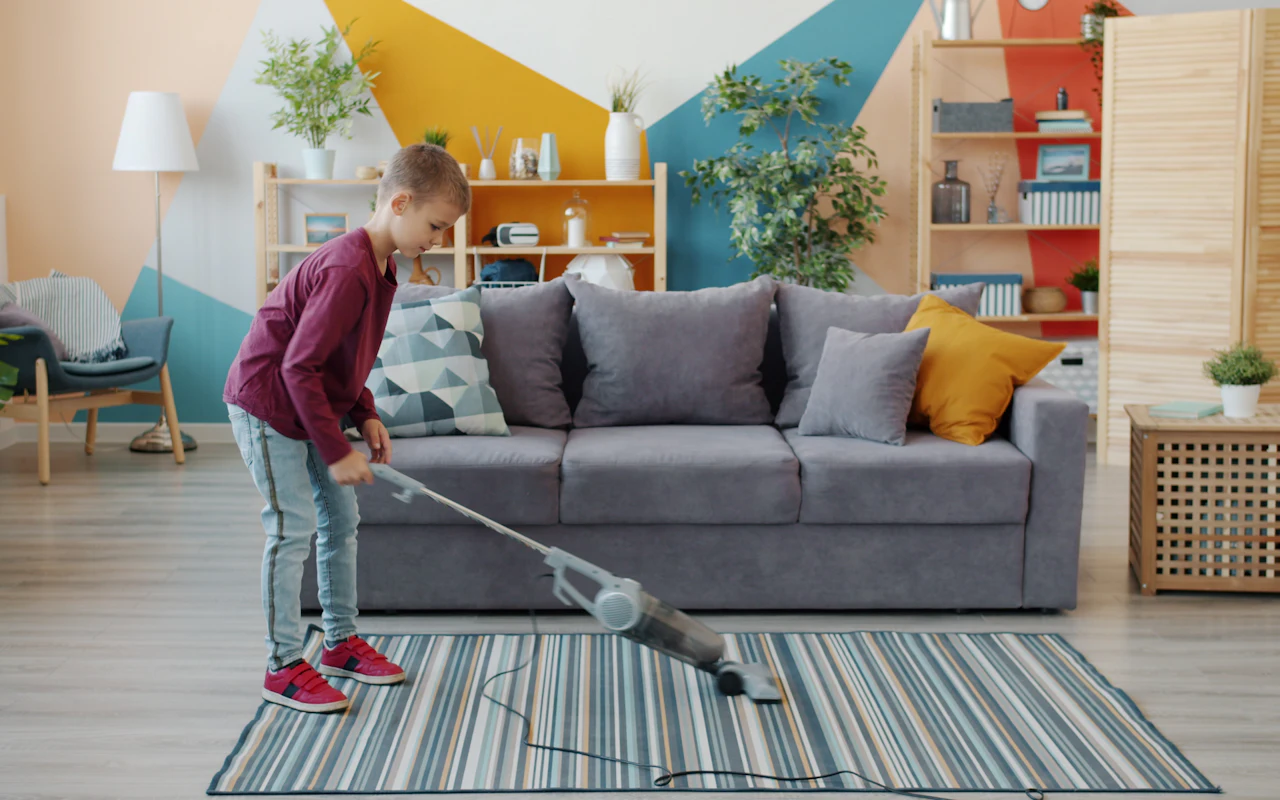
The British Pest Control Association calls the vacuum cleaner one of the best weapons against fleas. Vacuuming lifts the fibres so the treatment can soak down to the base of the carpet. The vibration also tells adult fleas there is a host nearby, so they leave their cocoons, and a flea out of its cocoon is far easier to kill.
Birmingham City Council's flea advice makes the same point from a different angle: take items off the floor so that the whole surface can be treated, and treat your pets as well as the home.
Before the visit
Allow a couple of hours on the day. Do these in roughly this order.
Clear the floors
Pick up shoes, toys, laundry, boxes and anything stored under the beds. The spray has to reach the whole floor, right to the skirting boards.
Vacuum every room
Carpets, rugs, hard floors, the edges of rooms, the sofa and chair cushions, and under the furniture. Go slowly and get into the corners.
Empty the vacuum outside
Tip the dust or the bag straight into an outside bin. A bag left in the cupboard is full of eggs and larvae that can crawl back out.
Wash the bedding
Pet beds, blankets, throws and your own bedding, on the hottest wash the fabric allows. Then keep them off the floor until the treatment is done.
Treat the pets that day
Talk to your vet about what to use and when. Pets should be treated on the same day the home is, or as close to it as your vet advises.
Cover fish tanks and put food away
Ask the technician about anything special: fish, birds, reptiles or anyone in the house with breathing problems. They will tell you what needs covering or moving out.
After the treatment
What you do over the next fortnight matters as much as the visit itself.
Stay out for the time you are given
The technician will tell you how long. Keep children and pets away from the treated floors until they are dry.
Do not wash the floors
Mopping or shampooing the carpet strips away the treatment. Leave it for the period the firm gives you.
Keep vacuuming every day
This is the part people skip. Vacuuming makes fleas hatch out of their cocoons and brings them into contact with the treated surface.
Expect a few fleas for a while
Seeing the odd flea for a week or two after the visit is normal. If the numbers are not falling, ring the firm and ask about the follow-up visit.
Have you noticed more fleas, not fewer, a few days after the visit? That catches people out, but it is usually a sign the treatment is doing its job. Newly hatched fleas land on a treated floor and die within a short time. If you are still being bitten after two weeks, though, it is worth asking about a second visit. Our flea fumigation cost page shows what that usually adds.
A word about pets
The home and the animal have to be treated together. If your cat is still carrying fleas when it walks back across a freshly treated carpet, it will start laying new eggs straight away, and you are back where you began.
Your vet is the right person to advise on a product for your pet, because the right choice depends on the animal, its age and its health. Let the flea treatment specialist know what you have used and when, so they can plan the home treatment around it.
If you have no pets at all and still have fleas, the source is usually somewhere else. See fleas but no pets.
Preparation questions
How long before flea treatment should I vacuum?
On the day of the treatment, as close to the visit as you can. The British Pest Control Association explains that vacuuming lifts the carpet pile so the treatment reaches the base of the fibres, and the vibration makes adult fleas leave their cocoons, where they are much easier to kill.
Do I need to move the furniture?
You do not normally need to move heavy furniture out of the room, but clear the floor of small items and anything stored under beds and sofas. The firm will tell you if they want anything moved further.
Can I stay in the house during flea treatment?
Usually not in the rooms being treated. Plan to be out of the home, with the pets, for the time the technician gives you. That way nobody touches the floors before they have dried.
When can I mop the floor after flea treatment?
Only once the period the firm gives you has passed. Washing the floors too early removes the treatment that is meant to catch fleas as they hatch over the following days.
Read next
Ready for the visit?
Once the floors are clear, book the treatment. Add your postcode and we will find a flea treatment specialist near you.
We match you with a flea treatment specialist working near your postcode and name them to you first; none of your details go to them until then. It costs you nothing. What happens after you ask.
Thank you, we have your details.
Here is what happens now.
- We look for an independent flea treatment specialist who works near your postcode, and normally tell you who it is by the next working day.
- Nothing goes to that firm until you have said you are happy with them.
- They will ask where the fleas are and about any pets, then give you a price. We will not send you marketing.